
How do we become comfortable with uncertainty?
Over the past week, I have heard from friends and former colleagues from around the country and beyond. While these connections are the silver lining in the enormous, dark coronavirus cloud, so much of the conversation is about lost jobs, fear for laid off employees, the sound of ambulances going by, and radical uncertainty.
Personally, I am slightly buffered from the immediate catastrophe museums are experiencing, becuase my museum is part of a unit of government, rather than a private nonprofit. And here in Peoria County at last count we had 10 (tested) cases of COVID-19, and no deaths. Yet. My immediate personal concerns are for part-time employees temporarily laid off, how much the Park District will need to shrink full-time staff as this continues, whether children’s museums are viable in an age of coronavirus, and how to protect my asthmatic teenaged son. I recognize that these concerns are small next to those of someone suddenly faced with unemployment, small children at home all day, or a failing business.
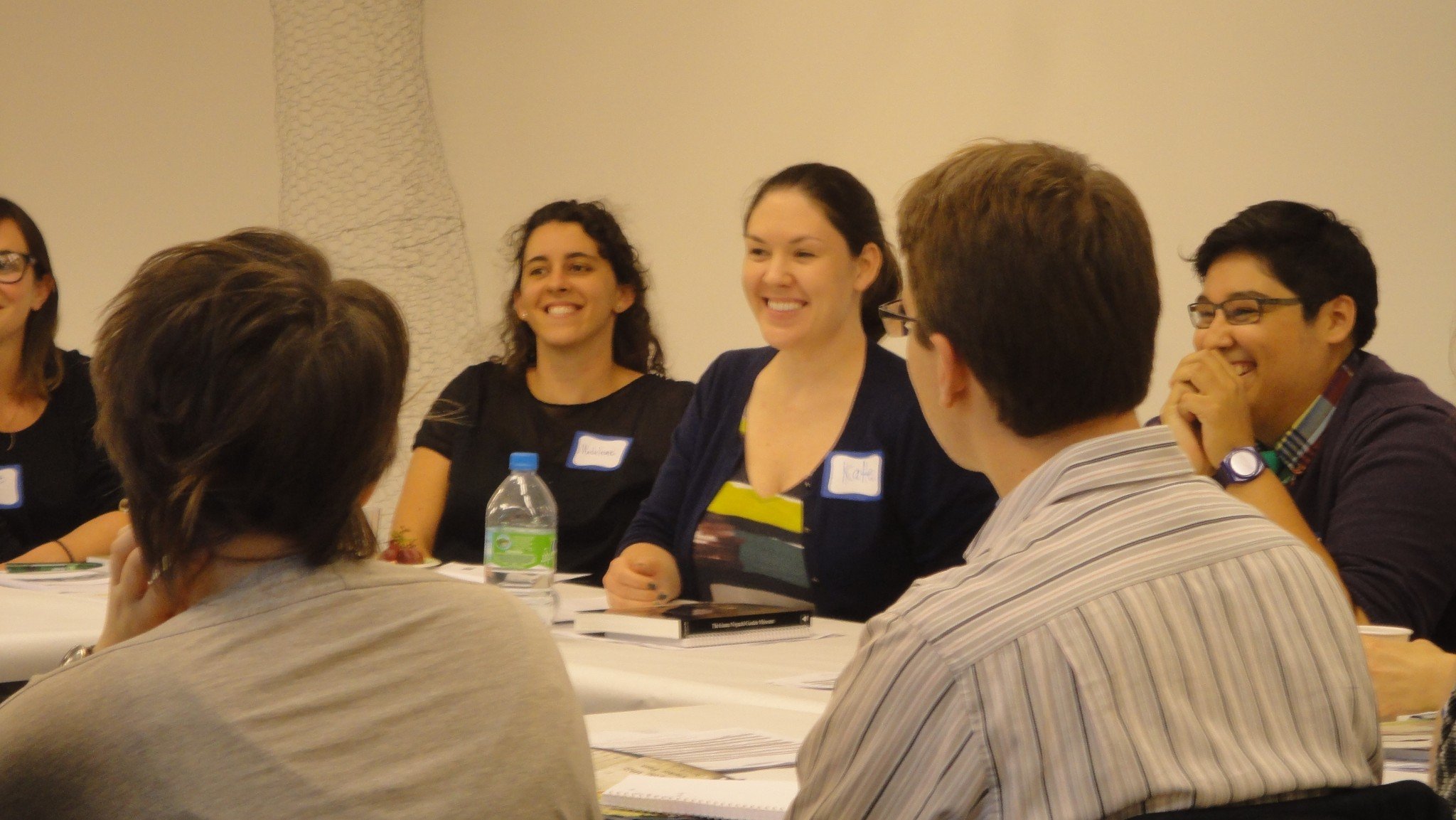
Former colleagues at a meeting at The Noguchi Museum, 2013
My friends, I am thinking about you. Alot.
The Museum Questions blog is a space to ponder the questions that impact museums. Beyond the enormity of “what now?,” what do we need to be thinking about in our field?
This week a colleague and I made a list of the questions we need to answer to plan for the future. These include:
What pattern will the disease follow? When will it be safe to gather in groups of 50 or more without social distancing?
What kind of reassurance will people need about how we clean? How can we provide this reassurance?
Will we be able to retain the same part time staff we have now? How will we retrain people after months of not doing their job?
Will we lose members, and if so, by what percent?
What is the timeline for full recovery? And at the end of full recovery will we be able to resume “normal” operations? What permanent changes do we need to make?
Will we have lots of new people looking for something to do, leading to new visitors? Or will there be a general unwillingness to go to children’s museums / shared play spaces?
I don’t know how to answer any of these questions. And no one else does, either.
So for me, the pressing question right now is: How do we adjust to uncertainty? And how do we move forward in the face of this uncertainty?
Usually, museums and museum professionals present ourselves as experts with answers. Here is the story of a moment in history. Here is the story of an art movement. Here is how a scientific principal works. We are proud that museums are trusted sources of information. Not sure what’s true or not? Come to us.
As we collaboratively roll out thousands of social media-posts worth of online engagement right now (a task that I believe is both helpful to individuals and families, and demonstrates one of the many values of museums), is there a way to help people understand and become comfortable living through a moment where we don’t have critical answers? We don’t know what percentage of the population has the virus and is asymptomatic; we don’t know what it will take to get rid of this virus, or if we even can; we don’t know how effective social distancing is (although we do know it’s the most effective tool we currently have), or how long it will be until we can safely resume shaking hands and giving hugs and standing shoulder to shoulder on the subway. Along with sharing digital versions of our collections and ideas for engaging children, is there a way to help people (including ourselves) understand: We don’t know. None of us knows.
Here is one model, as a start to answering this question: The ability to live with ambiguity is essential to the creative process. Learning about the creative process was critical to my work as an art educator at the Guggenheim Museum, and an idea we discussed as a team in the Learning Through Art program. Personally, I think of this every time I sit down to write, or work on a new idea – there are long stretches when you don’t know what the outcome will be. Right now I am trying to apply this every day as I sit down at my desk to try and reinvision the future of my museum.
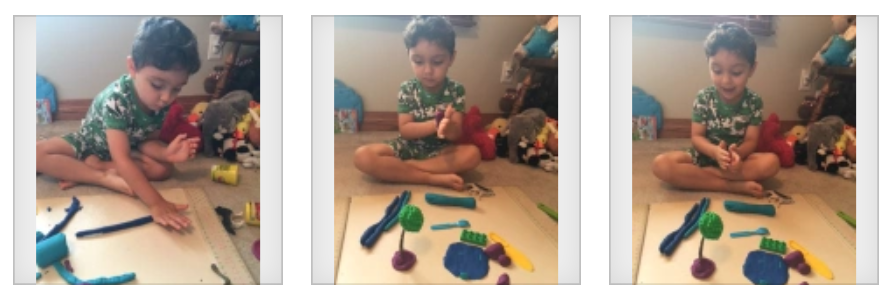
Is it possible to apply the lessons of uncertainty learned from the artistic process to our current radically uncertain world?
Is there a way to share, model, or promote this idea right now?
How do we, as individuals as well as museum professionals, find ways to both navigate uncertainty at this moment in history, and help others to do so?